KENYA IS NOT AN ISLAND: GACHAGUA MUST UNDERSTAND THE ECONOMIC VALUE OF INTERNATIONAL FOOTBALL
Rigathi Gachagua’s latest remarks questioning why foreign teams should play the inaugural match at Kenya’s new international stadium raise a fundamental question about how some of our political leaders understand international relations, sports diplomacy and the economic opportunities that come with opening Kenya to the world
By Mwalimu Malata Benson
Gachagua is quoted as asking how Kenyans can pay for a stadium only for foreigners to play the first match, yet Kenya has its own football teams.
With all due respect, Mr Gachagua, Kenya is not an island, and international football is not a threat to Kenyan football. The two can complement each other.
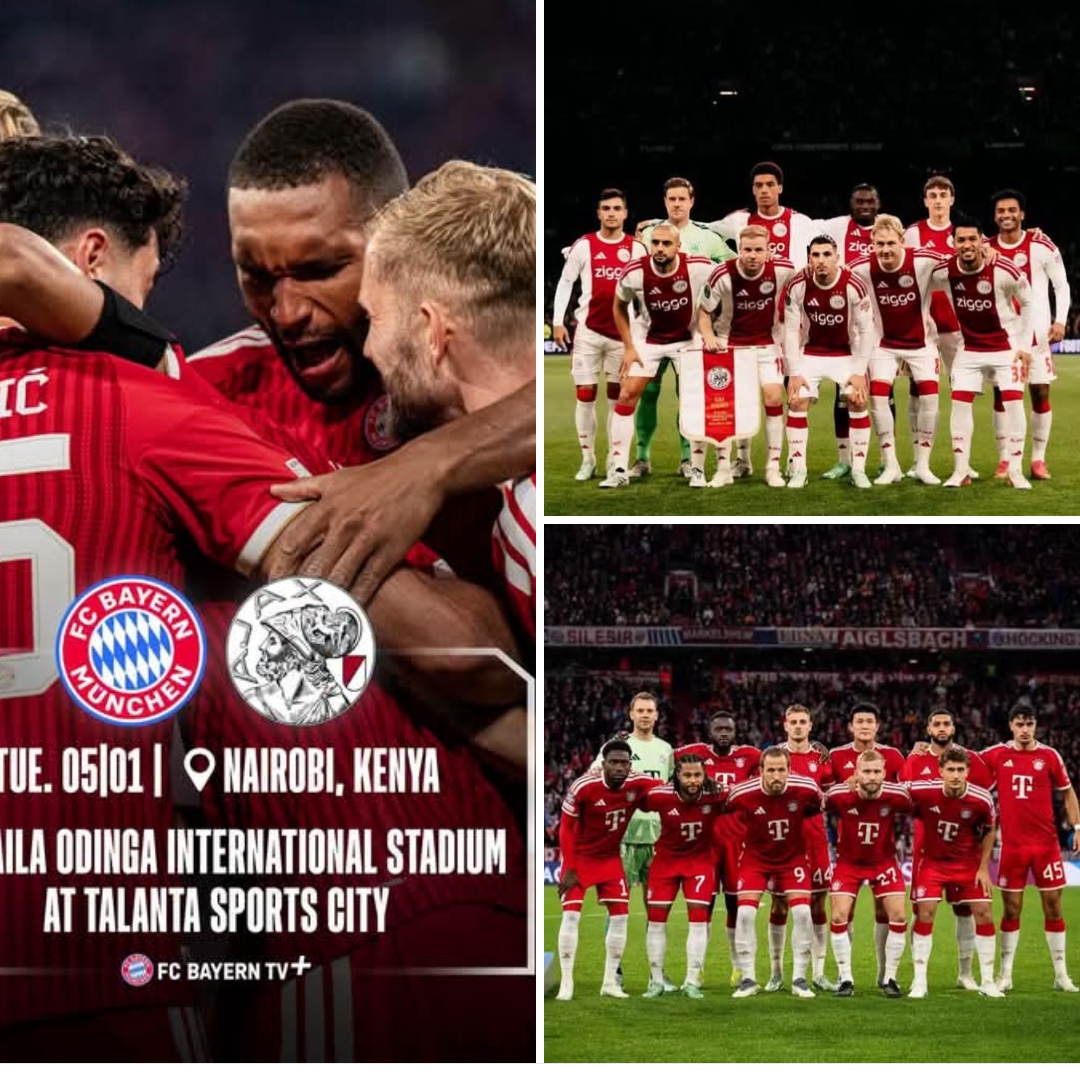
On Wednesday, October 28, 2026, President William Ruto announced that German giants FC Bayern Munich and Dutch powerhouse AFC Ajax would play at the new Raila Odinga International Stadium in Nairobi on January 5, 2027. The announcement has placed Kenya on the international football calendar ahead of the 2027 Africa Cup of Nations, which Kenya will co-host with Uganda and Tanzania. <Link url="https://nation.africa/kenya/sports/football/talanta-stadium-to-open-with-fc-bayern-versus-afc-ajax-match-5649670" title="Daily Nation's report on the fixture"/>.
1. A 90-MINUTE MATCH CAN OPEN DOORS TO MUCH BIGGER OPPORTUNITIES
Mr Gachagua, football is played for 90 minutes, excluding added time. The stadium, however, is designed to serve Kenyans for decades.
The international fixture is one event on a much larger calendar of sporting, commercial, entertainment and other activities that can be hosted at the facility. The match itself does not define the entire purpose of the stadium.
Kenyan clubs will continue playing. Harambee Stars will continue representing the country. Young footballers will continue dreaming of becoming professional players. International fixtures can coexist with local competitions and potentially expose Kenyan players, coaches and administrators to new standards of the game.
Why should we limit our ambitions to watching our own teams when we can also welcome the world to compete on Kenyan soil?
We should build Kenyan football while creating opportunities for Kenyan football to interact with the world.
2. KENYA MUST OPEN ITS DOORS TO THE WORLD
The world does not develop through isolation. Countries build relationships through trade, tourism, education, investment, sports and cultural exchange.
When European football giants visit Kenya, the opportunity extends beyond the players entering the pitch. International broadcasters, sports journalists, sponsors, supporters and other stakeholders may direct their attention towards Nairobi.
That visibility can help Kenya market itself as a destination for international sporting events, tourism and business.
If Kenya hopes to attract global conferences, investors, tourists and international competitions, we must develop the infrastructure and organisational capacity to host them.
Mr Gachagua, we cannot demand international recognition while questioning the very opportunities that can help us earn it.
3. WHAT CAN KENYANS GAIN FROM BAYERN MUNICH VERSUS AJAX?
The proposed January 5 fixture presents several potential socioeconomic benefits, provided the event is properly organised and commercially managed.
A. Employment and business opportunities
Hotels, restaurants, transport operators, tour companies, event organisers, security providers, media professionals and vendors could benefit from increased demand associated with the match.
B. Tourism promotion
International media coverage could showcase Nairobi and Kenya's wider tourism attractions to audiences beyond our borders. Some visitors may extend their stays, supporting tourism businesses.
C. Opportunities for young people
The match could expose Kenyan footballers, coaches, referees, sports journalists and event-management professionals to international standards and networks.
D. Corporate sponsorship and investment
A high-profile international fixture can attract sponsors and commercial partners. President Ruto has said the event will be supported through corporate partnerships. The actual benefits will depend on the agreements, costs and revenues, which should be made transparent to the public. <Link url="https://peopledaily.digital/insights/bayern-munich-vs-ajax-match-what-kenya-stands-to-gain" title="People Daily's analysis of potential economic benefits"/>.
E. Readiness for AFCON 2027
The fixture offers an opportunity to test ticketing systems, crowd management, broadcasting, security, hospitality and stadium operations before the continental tournament.
F. International sporting reputation
Successfully hosting major fixtures could strengthen Kenya's credentials when bidding for future tournaments and international sporting events.
These are opportunities, not guaranteed profits. Their real value will depend on attendance, expenditure, local participation, transparent financing and how effectively the event is managed.
4. LET US ALSO GET THE FIGURES RIGHT
Gachagua's reported reference to a stadium costing KSh 145 billion deserves scrutiny.
Available reporting puts the stadium's construction contract at approximately KSh 45.85 billion, following an increase from an initial estimate of KSh 35 billion. That is a substantial public investment and deserves rigorous accountability. However, the KSh 145 billion figure should not be presented as the stadium's construction cost without evidence that it refers to a broader project or a different set of expenses. <Link url="https://www.pulse.co.ke/story/ruto-confirms-bayern-munich-ajax-talanta-stadium-opener-2026102814541618058" title="Pulse Kenya's report on the stadium's contract value"/>.
Kenyans are entitled to ask hard questions about public expenditure. They deserve to know the financing arrangements, contractual obligations, sponsorship agreements, expected revenue and maintenance costs.
But scrutiny should be based on accurate figures and a complete understanding of the project's intended use.
The right question is not simply why foreign teams are coming. It is whether Kenya can turn this investment into a well-managed, revenue-generating national asset that serves local sports and attracts international events.
5. MR GACHAGUA, WHAT TANGIBLE ECONOMIC OPPORTUNITY ARE YOU OFFERING KENYANS?
Mr Gachagua, you have reportedly spent approximately two months at a ranch in the United States with your wife, Dorcas, before returning to Kenya and resuming political engagements with opposition principals at your Wamunyoro residence.
You are entitled to travel, rest and engage in political consultations. Those are not offences.
However, as a national political leader seeking to influence the country's future, you must also expect Kenyans to ask what practical economic proposals emerge from your engagements.
Beyond the familiar political slogans of “One Term” and “Must Go,” what specific initiatives are you advancing to create jobs, attract investment, improve livelihoods, develop sports or expand opportunities for young people?
What concrete proposals have you presented to make Kenyan businesses more competitive, improve the welfare of ordinary citizens or strengthen the country's international economic relationships?
Opposition politics is an essential part of democracy. Its value, however, should not be measured only by the ability to criticise the government. It should also be measured by the quality of alternative policies and solutions it offers.
Kenyans deserve an opposition that can interrogate government expenditure while also explaining how national investments can be made productive.
6. DIPLOMACY IS ALSO ABOUT CREATING OPPORTUNITIES
President Ruto's announcement of a fixture involving Bayern Munich and Ajax during his European tour provides Kenya with an opportunity to showcase its new sporting infrastructure.
Whether the final commercial outcome proves successful remains to be seen. Nevertheless, securing an international fixture is a starting point for negotiations, partnerships and global visibility that Kenya can seek to convert into long-term value.
The test is not how quickly an announcement is made. The test is whether the commitments are fulfilled, the financial arrangements are sound, local stakeholders benefit and the facility is used effectively after the opening ceremony.
That is the standard by which every administration should be judged.
CONCLUSION: LET US THINK BEYOND THE PITCH
Mr Gachagua, Kenya has local teams, talented footballers and passionate supporters. None of that prevents us from hosting European clubs.
A foreign team playing in Kenya does not make the stadium foreign-owned. A foreign visitor spending money in Kenya does not make Kenya less Kenyan. And an international match does not have to come at the expense of local football.
We should demand opportunities for our local clubs, invest in grassroots talent, improve sports governance and ensure that international events create measurable benefits for our people.
We should also demand transparency over the cost of the stadium and the financing of the fixture. Patriotism does not require blind applause, just as accountability does not require dismissing every opportunity.
Mr Gachagua, the question is not whether Kenyans have football teams. The question is whether Kenya can build its own football industry while welcoming the world to our stadiums, hotels, businesses and tourist destinations.
Kenya must not merely build a stadium to host a match. Kenya must build the capacity to host the world, create opportunities for its people and remain competitive long after the final whistle.
The game may last 90 minutes. The economic, diplomatic and sporting opportunities it creates could last much longer—if we plan wisely and manage them transparently.
Yours in Education, Mentorship and Service,
Mwalimu Malata O.J. Benson
Teacher – Mentor – Publisher – Writer – Political Analyst – Educational Consultant – Motivational Speaker
0728701795 · bensonmalata65@gmail.com
Comments (0)
Loading comments…
Found this useful? Share it with a teacher, parent or KCSE candidate.
More from Politics